If a residential property has suffered years of neglect, structural degradation, or even extensive hazardous contamination, determining whether it...
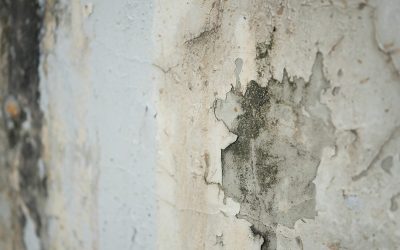
Dilapidation of a residential property can cross a taxable threshold
read more

If a residential property has suffered years of neglect, structural degradation, or even extensive hazardous contamination, determining whether it...

Balancing a property owner's desire to redevelop land with neighbours' rights under restrictive covenants requires a careful evaluation of...

A recent tribunal ruling has provided critical clarity on when historic restrictive covenants can be modified to permit residential development....

This judgement examined whether a residential landlord can lawfully collect reserve fund contributions from leaseholders when no such provision...

Every person facing homelessness deserves absolute clarity concerning their housing rights, yet navigating the statutory mechanisms that govern the...

The Upper Tribunal (UT) recently addressed how modern home-based business activities may conflict with historical property restrictions. Background:...

A recent pivotal judgement from the County Court has provided essential clarity for the social housing and residential property sectors by...

If you run a specialised, highly sensitive business from your property, a neighbour’s disruptive construction work or loud industrial...

The High Court delivered critical resolutions to three pivotal questions in a case of complex private landlord-tenant litigation, clarifying the...
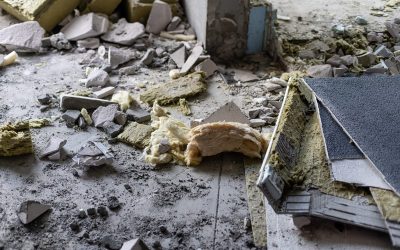
When structural defects put a building’s safety at risk, landlords and leaseholders often find themselves locked in a fierce legal battle over...